Una delle cose che stiamo notando, tornando in Giappone dopo quattro anni, è quanto si sia ampliata la nostra rete di amici e colleghi.
Rispetto alla nostra prima esperienza qui, abbiamo l’impressione di ripartire da una base più solida, con legami che rendono l’inizio di questo nuovo capitolo ancora più ricco.
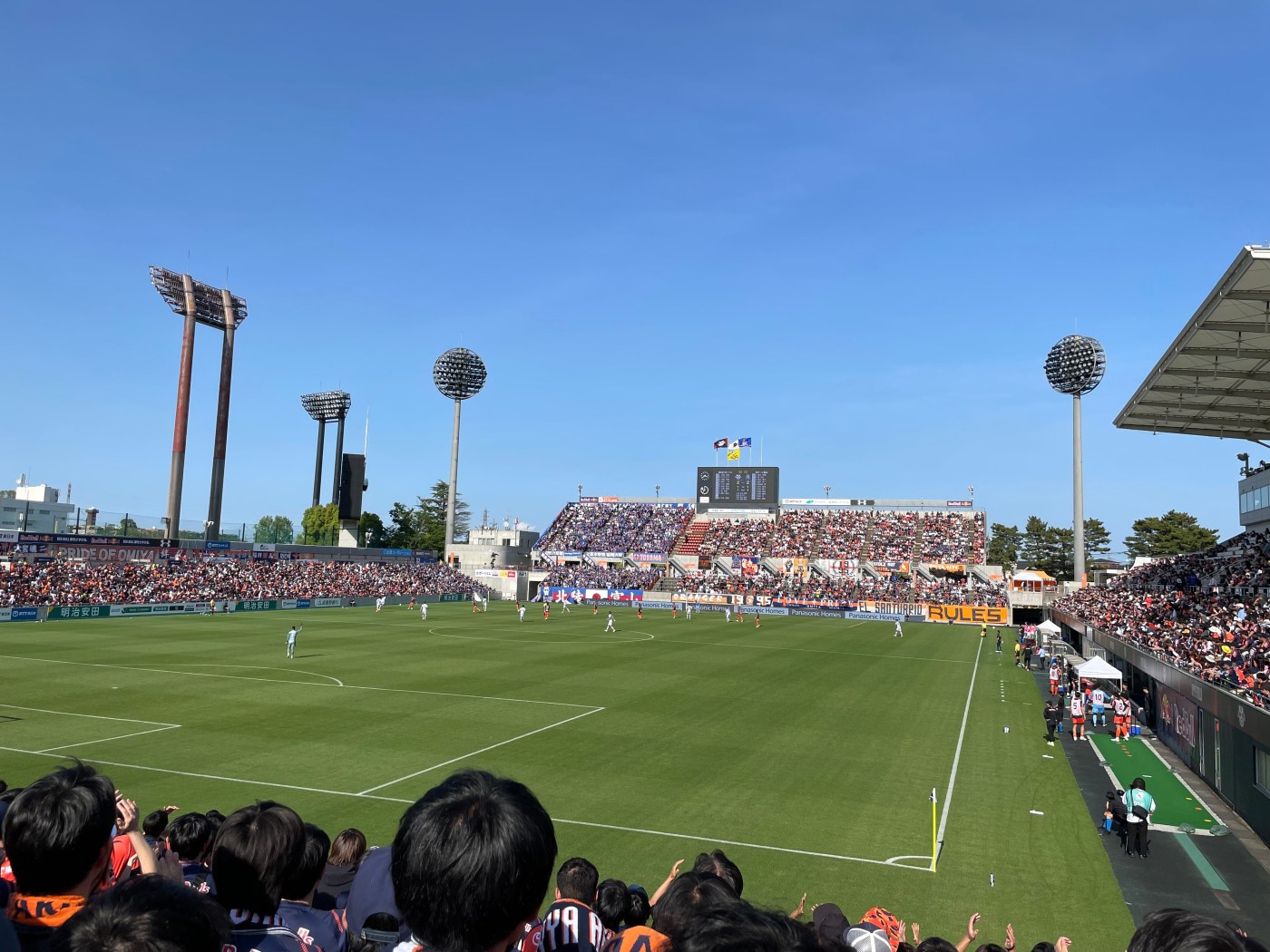
Tra i primi inviti ricevuti in questi giorni, c’è stata una proposta un po’ inaspettata ma molto gradita: assistere a una partita di J2 League (J2リーグ) a Ōmiya, insieme a un collega di Antonio, grande tifoso innanzitutto del Napoli, ma anche dell’RB Ōmiya Ardija.
Con lui c’erano anche suo figlio e un altro amico giapponese, e quella che poteva sembrare una semplice domenica allo stadio si è trasformata in un bellissimo momento di incontro, condivisione e scoperta.
One of the things we’re noticing, now that we’re back in Japan after four years, is how much our network of friends and colleagues has grown.
Compared to our first experience here, it feels like we’re starting this new chapter from a more solid foundation – with connections that are already making the beginning feel richer and more meaningful.
Among the first invitations we received in these early days, there was one slightly unexpected but very welcome: attending a J2 League match in Ōmiya, with one of Antonio’s colleagues, a die-hard Napoli fan, but also a loyal supporter of the Ōmiya Ardija.
He lives nearby, knows the stadium well, and wanted us to experience it from a true fan’s perspective. Alongside him were his son and another Japanese friend, and what could have been a simple Sunday at the stadium turned into a beautiful moment of connection, discovery, and shared enthusiasm.

Antonio è un grande appassionato di calcio, mentre io lo seguo in modo più sporadico – ma trovo sempre interessante scoprire un paese anche attraverso lo sport. Era successo anche ad Austin, dove avevamo assistito a una partita di college football, ed è successo di nuovo qui a Ōmiya: un piccolo spaccato di vita locale, fatto di cori entusiasti e melodici, bento mangiati sugli spalti e colori accesi.
Una prima domenica davvero speciale.
Antonio is a big football fan, while I follow it more sporadically – but I always find it fascinating to explore a country through its sports culture. It happened in Austin, where we attended a college football game, and it happened again here in Ōmiya: a glimpse into local life, made of melodic chants, bento eaten on the bleachers, and vibrant team colors.
A truly special first Sunday.
Lo stadio e l’atmosfera – The stadium and the athmosphere
Lo stadio di casa dell’Ōmiya Ardija è il NACK5 Stadium, incastonato all’interno del vasto Ōmiya Park, un polmone verde pieno di alberi, famiglie in passeggiata e venditori ambulanti. Arrivarci è semplice: dalla stazione JR Ōmiya si cammina per circa venti minuti, attraversando stradine residenziali e piccoli negozi locali. Il contrasto tra la tranquillità del parco e l’energia che si respira nei pressi dello stadio è immediato.
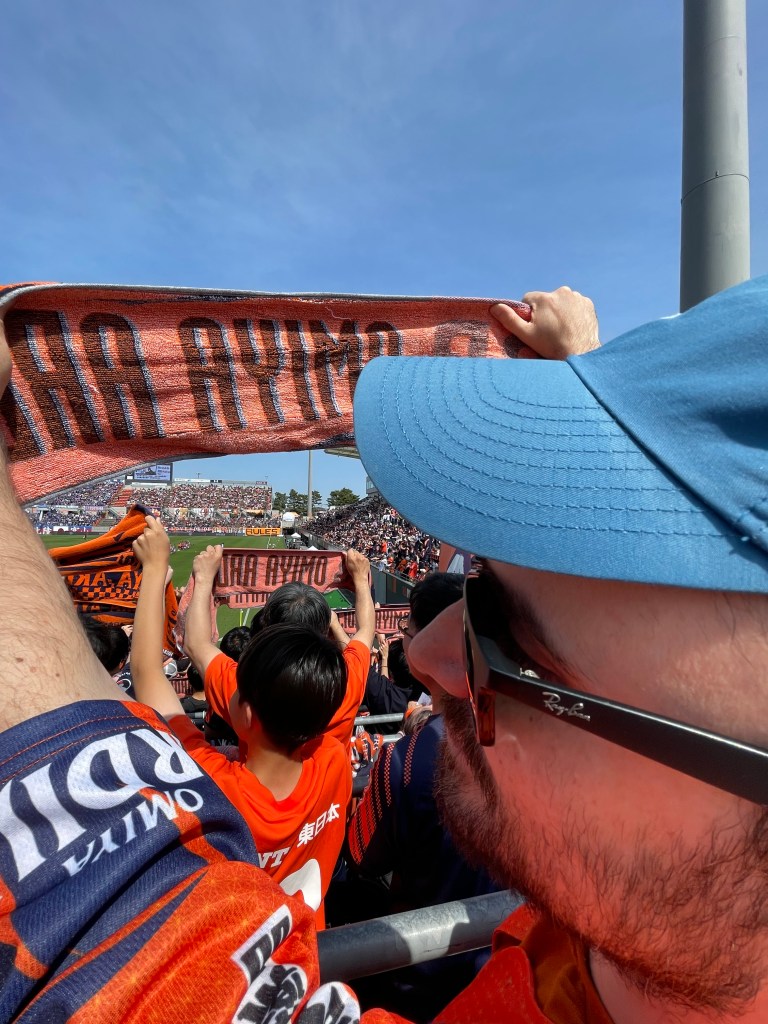
All’ingresso, ci ha accolto un fiume di sciarpe arancioni, colori della squadra. L’atmosfera era elettrica ma composta, come spesso accade in Giappone: niente spintoni, nessuna tensione, solo l’emozione sincera di chi aspetta il fischio d’inizio. A colpirci subito, però, è stato il tifo organizzato, sorprendentemente coinvolgente.
I cori erano potenti, ritmati e melodici, eseguiti in perfetta sincronia da un gruppo compatto dietro una delle porte. Tamburi, applausi, slogan in giapponese: il tutto scandiva ogni azione di gioco con entusiasmo contagioso.
Lo stadio non è enorme, ma proprio per questo riesce a creare un senso di vicinanza con i giocatori e con gli altri spettatori. Era facile sentirsi parte di qualcosa, anche per noi che eravamo lì per la prima volta.
Ōmiya Ardija’s home ground is NACK5 Stadium, nestled inside the vast Ōmiya Park, a green lung full of trees, families out for a stroll, and food vendors.
Getting there is easy: it’s about a 20-minute walk from JR Ōmiya Station, through quiet residential streets and small local shops. The contrast between the peaceful park and the energy near the stadium is striking.
At the entrance, we were greeted by a sea of orange scarves, the team’s colors. The atmosphere was electric but respectful, as is often the case in Japan: no pushing, no shouting, just the genuine excitement of those waiting for kick-off.
What struck us immediately was the organized cheering section, surprisingly passionate and engaging.
The chants were powerful, rhythmic, and melodic, performed in perfect sync by a compact group behind one of the goals. Drums, clapping, and Japanese slogans accompanied every move on the pitch with contagious energy.
The stadium isn’t huge, but that’s exactly what makes it feel intimate, creating a sense of closeness both to the players and to the crowd. Even as first-timers, we quickly felt part of something.
Cibo sugli spalti – Food
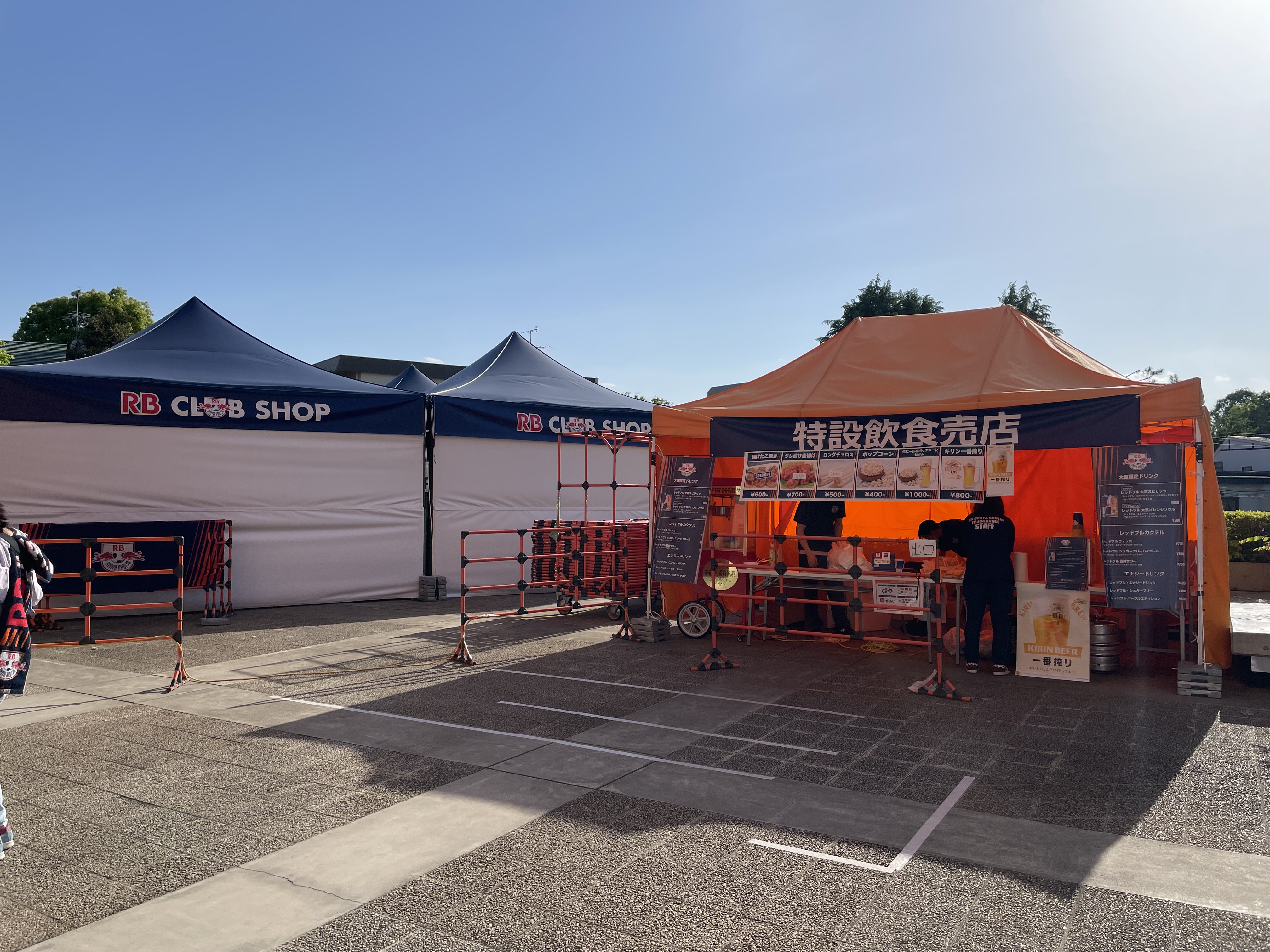
Come in ogni evento sportivo che si rispetti, il cibo ha il suo spazio.
All’interno e all’esterno dello stadio erano presenti diversi stand che vendevano bentō, snack caldi, dolci, bevande e birra alla spina. All’interno dello stadio, come succede anche in Italia, non si possono portare lattine, ma il contenuto può essere versato in bicchieri di carta che vengono forniti all’ingresso.
Noi abbiamo optato per un paio di onigiri prima di entrare allo stadio, e per una birretta da sorseggiare mentre guardavamo la partita. Mi ha colpito vedere così tanti bambini tra gli spalti, alcuni in coda durante la partita per mangiare i kakigōri, le tipiche granite giapponesi a base di ghiaccio tritato e sciroppi alla frutta.
As with any proper sporting event, food plays an important role.
Inside and outside the stadium, there were several stands selling bento boxes, hot snacks, sweets, drinks, and draft beer. Just like in Italy, you’re not allowed to bring cans into the stadium, but you can pour the contents into paper cups provided at the entrance.
We went for a couple of onigiri before heading in, and a cold beer to sip on while watching the match.
What struck me was seeing so many children in the stands, some of them lining up during the game to buy kakigōri, the traditional Japanese shaved ice topped with fruity syrups.
Gadget, tifosi e colori – Gadget, supporters and colors
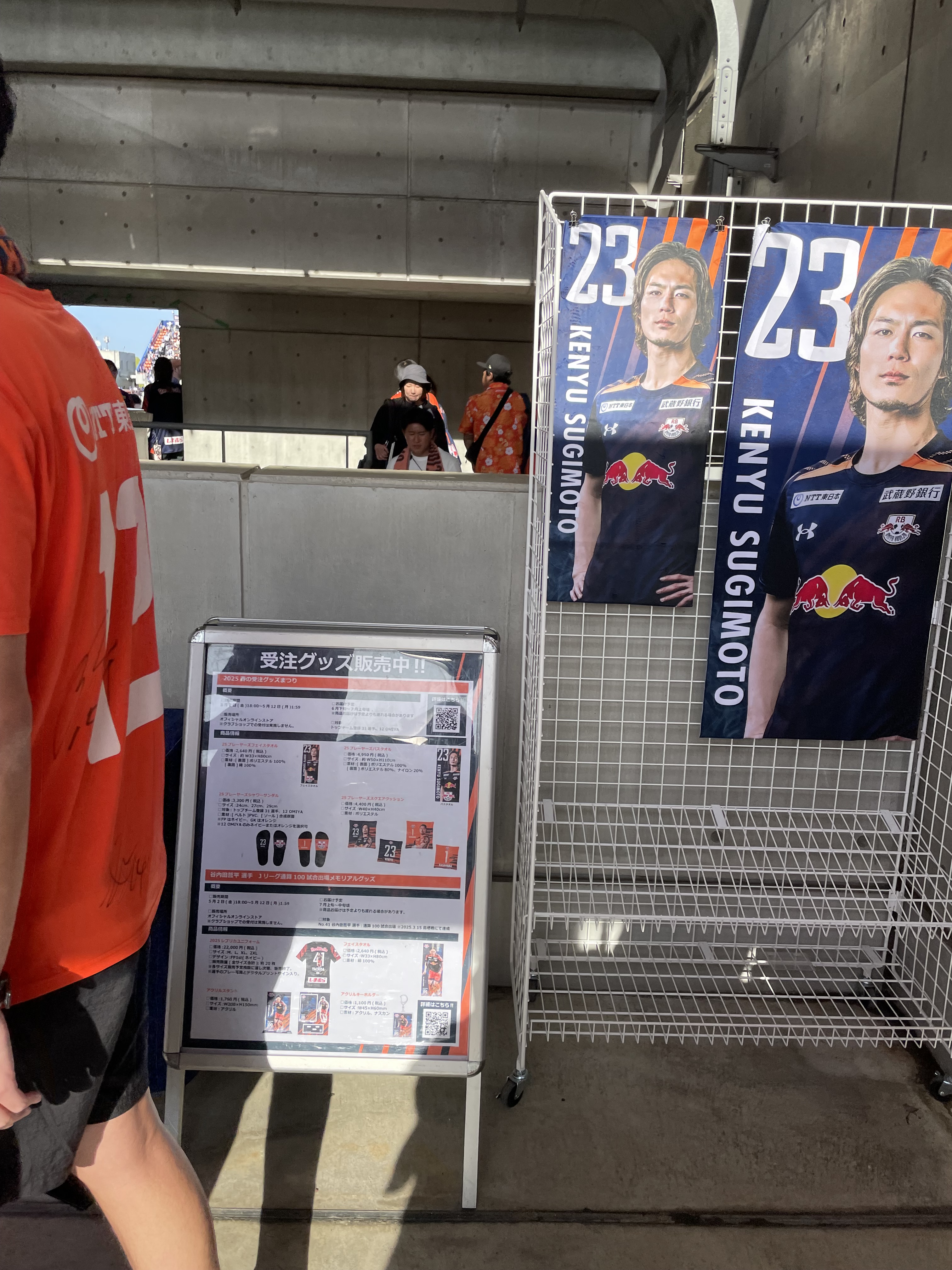
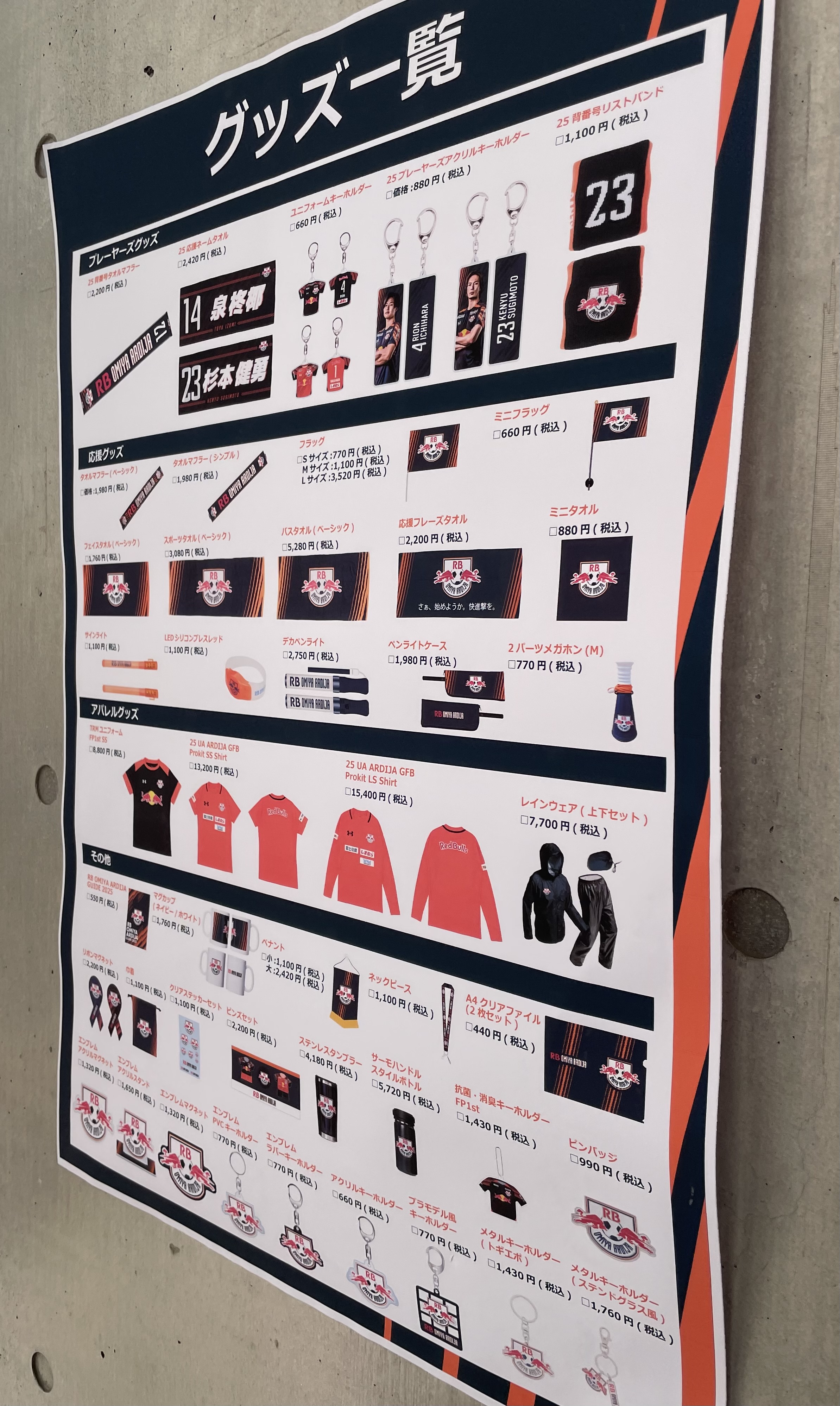
Anche il merchandising era ovunque, ma senza invadenza: sciarpe, magliette, spille, cappellini, tutto rigorosamente nei toni dell’arancione e del blu.
All’ingresso dello stadio ci hanno dato in omaggio una bandierina con alcuni dei giocatori della squadra, e il giornale ufficiale della partita, che conteneva informazioni sui calciatori (anno di nascita, provenienza e una piccola biografia), il calendario delle partite e una pubblicità sull’abbonamento annuale allo stadio.
Merchandising was everywhere, but never overwhelming: scarves, jerseys, pins, and caps — all strictly in the team’s signature orange and blue colors.
At the entrance, we were given a free mini flag featuring some of the team’s players, along with the official matchday program, which included player info (birth year, hometown, and a short biography), the season schedule, and an ad promoting the annual stadium membership.

Il nostro amico ci aveva portato da casa delle casacche della squadra, un cappellino e una sciarpetta, per farci immergere nell’atmosfera dello stadio al meglio. Le abbiamo conservate per le prossime partite a cui parteciperemo!
Our friend had even brought us some team gear from home: jerseys, a cap, and a scarf — just to help us blend into the matchday spirit. We’ve saved them for the next time we go!

La partita è stata combattuta e il pubblico ha sostenuto la squadra fino all’ultimo minuto, con cori ritmati e applausi anche nei momenti più tesi. C’è stato qualche episodio contestato, che ha portato a fischi verso la squadra avversaria, ma tutto si è svolto senza mai oltrepassare il limite del rispetto. Anzi, una delle cose che ci ha colpito di più è stata l’atmosfera pacifica a fine partita: tifosi delle due squadre che si ritrovano a camminare fianco a fianco, mescolandosi nelle vie intorno allo stadio, senza alcuna tensione.
I calciatori si sono inchinati al pubblico prima del calcio d’inizio e di nuovo alla fine del match, un gesto semplice ma significativo, che sottolinea il senso di rispetto reciproco tra squadra e tifosi.
L’ambiente è estremamente adatto anche alle famiglie: c’erano tantissimi bambini, anche molto piccoli, che assistevano alla partita con curiosità o correvano sulle gradinate tra un’azione e l’altra.
Un altro dettaglio che abbiamo notato con stupore è il modo in cui vengono riservati i posti sugli spalti: basta appoggiare una sciarpetta o un cuscino con largo anticipo, e nessuno si sognerà di toccarlo.
Una fiducia collettiva che ci ha fatto sorridere e che racconta tanto del modo giapponese di vivere insieme gli spazi pubblici.
The match was intense, and the crowd stood by the team until the very last minute — with rhythmic chants and applause even during the most tense moments.
There were a few contested calls that led to whistles directed at the opposing team, but everything stayed well within the boundaries of respect.
In fact, one of the things that struck us most was the peaceful atmosphere after the final whistle: fans from both sides walking side by side, blending into the streets around the stadium with no tension at all.
Before the kickoff and again at the end of the match, the players bowed to the crowd, a simple yet meaningful gesture that highlights the mutual respect between team and supporters.
The environment was extremely family-friendly: we saw so many children, even toddlers, watching the game with curiosity or running up and down the stands between plays.
Another detail that amazed us was how seats in the stands are reserved: you just leave a scarf or a cushion well in advance, and no one would ever think of taking your spot.
A quiet, shared trust that made us smile — and says a lot about the way public space is lived and respected in Japan.

 Not the usual tourists
Lascia un commento